You have no samples to request.

MRP Solutions
MRP Solutions is a provider of high-quality, plastic packaging closures, caps and jars used every day by millions of consumers.

From fast food restaurants to consumer-packaged goods, companies are embracing augmented reality packaging to enhance their brands and improve buyers’ experiences. Package designers have taken advantage of augmented reality packaging to create a fun and engaging customer experience. This integration of technology with packaging helps to bridge the digital world with the physical, grabbing customers’ attention at the ever-important point-of-sale.
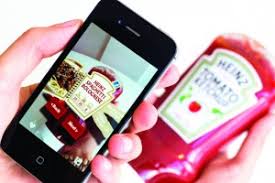 While they sound similar, there are a few key differences between these two technologies. Virtual reality (VR) creates an immersive, three-dimensional, computer-generated environment. It is most commonly used in gaming applications. These simulated environments often require the user to wear special helmets, glasses, and gloves in order to interact with the setting.
Unlike VR, augmented reality uses technology to enhance a user’s existing environment by superimposing an image or animation over the user’s view of the real world. It can display animations and product features on a screen surrounded by the product’s actual environment. And while AR can be administered using wearable technology like Google Glass or Microsoft’s HoloLens, it is commonly accessed on smart phones and tablets. Augmented reality packaging presents benefits which include improved brand loyalty, increased customer attraction, and the ability to cut through the noise and stand out among competitors. It allows customers to use the devices they already have to access special features of a product or its packaging.
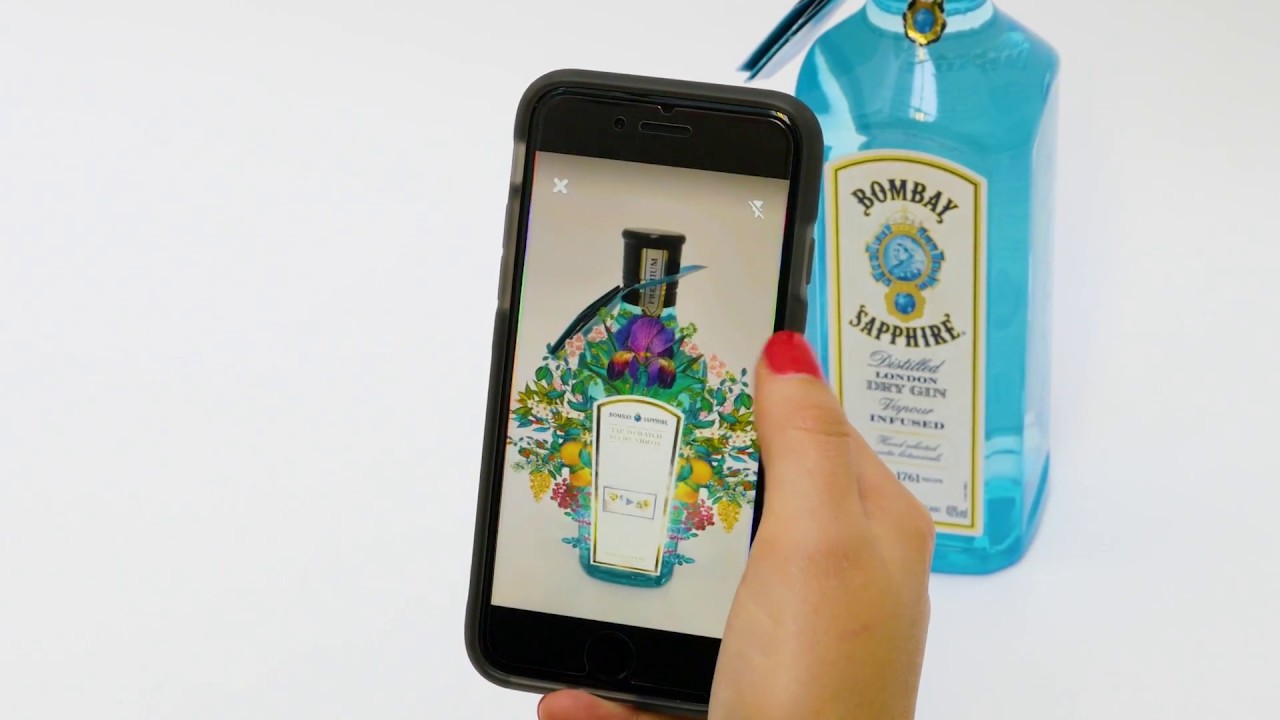 The most common uses of augmented reality packaging include short term promotions. Because the technology is still in the early stages of adoption, it can be costly to implement long-term AR campaigns. By using AR for short term promotions, brands can seize customers’ attention while preserving the novelty value of the technology.
AR is a great tool for adding entertainment value as well. For example companies can add games to packaging for kid’s cereals, snacks, or fast food packaging.
In addition to adding entertainment value, AR also has more practical applications. Augmented reality can be used to reduce packaging by communicating necessary details such as nutrition information and cooking instructions through the app rather than printed on the package. As companies adapt to consumers becoming more socially and environmentally conscious, this will be of greater importance.
While the use of augmented reality packaging is still in the early stages of adoption, it is growing in popularity among designers of packaged products. AR benefits brands by creating a novelty that catches customers’ attention and builds awareness and loyalty. As the adoption of the technology progresses among customers and brands, it will likely be used to provide essential information online and reduce packaging. The future looks promising for this growing technology.
Contact us to learn how the experts at Mold-Rite can help you improve your shelf impact and add new innovation to your package designs.