
You have no samples to request.
Food Packaging

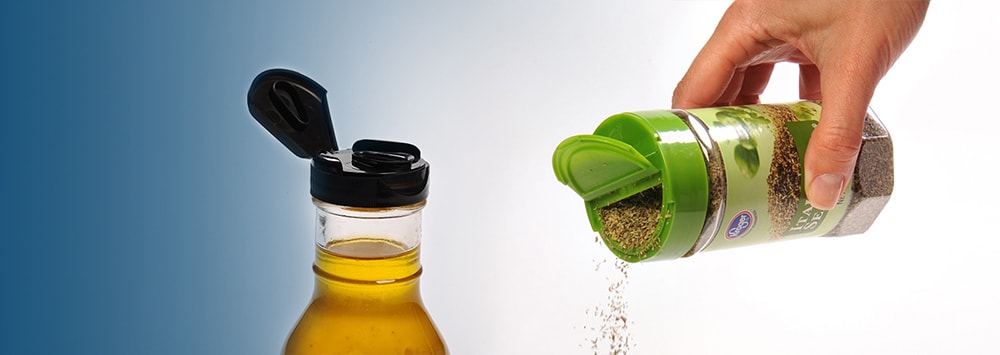
MRP Solutions produces a number of plastic closures that have been specifically designed to cater to the food packaging industry. Our plastic closures offer some of the best dispensing available for a number of pourable products, like syrups, sauces, dressings and honey. In addition, you’ll find our plastic closures on many national and private label brands of spices and seasonings, confectionery and sweeteners, creamers and specialty milks, grated cheese, and other dry foods.
Food Packaging Trends
Simplicity, convenience and ease of use
MRP Solutions food packaging that is appropriately sized and easy to grip, hold, open and close is a must with millennials and seniors. Packaging targeting seniors also needs larger print with clear and intuitive markings indicating openings.
On-the-go packaging with personality
With more people eating and drinking on the go, at work, school, the gym and in transit, consumers want food packaging that is easy to open and sealed tightly to prevent spillage.
Communicating with “green” consumers
Sustainable packaging is effective at reaching consumers when it communicates its benefits beyond just the recycling symbol.
Designing for digital
Consumers want interactive and intelligent packaging, such as QR coding for recipe and brand messaging, as well as nutritional and health information.

Within this market, you will most commonly find these types of closures in food packaging:
- Continuous Thread (CT)
- Cover Caps
- Fitments
- FlapMate®
- Flapper®
- Jars
- LiquiFlapper®
- Twist Open – Twist Close
- UltraLight®
Browse our food products below. Don’t see what you’re looking for? Contact the packaging experts at MRP Solutions today to help customize your product.
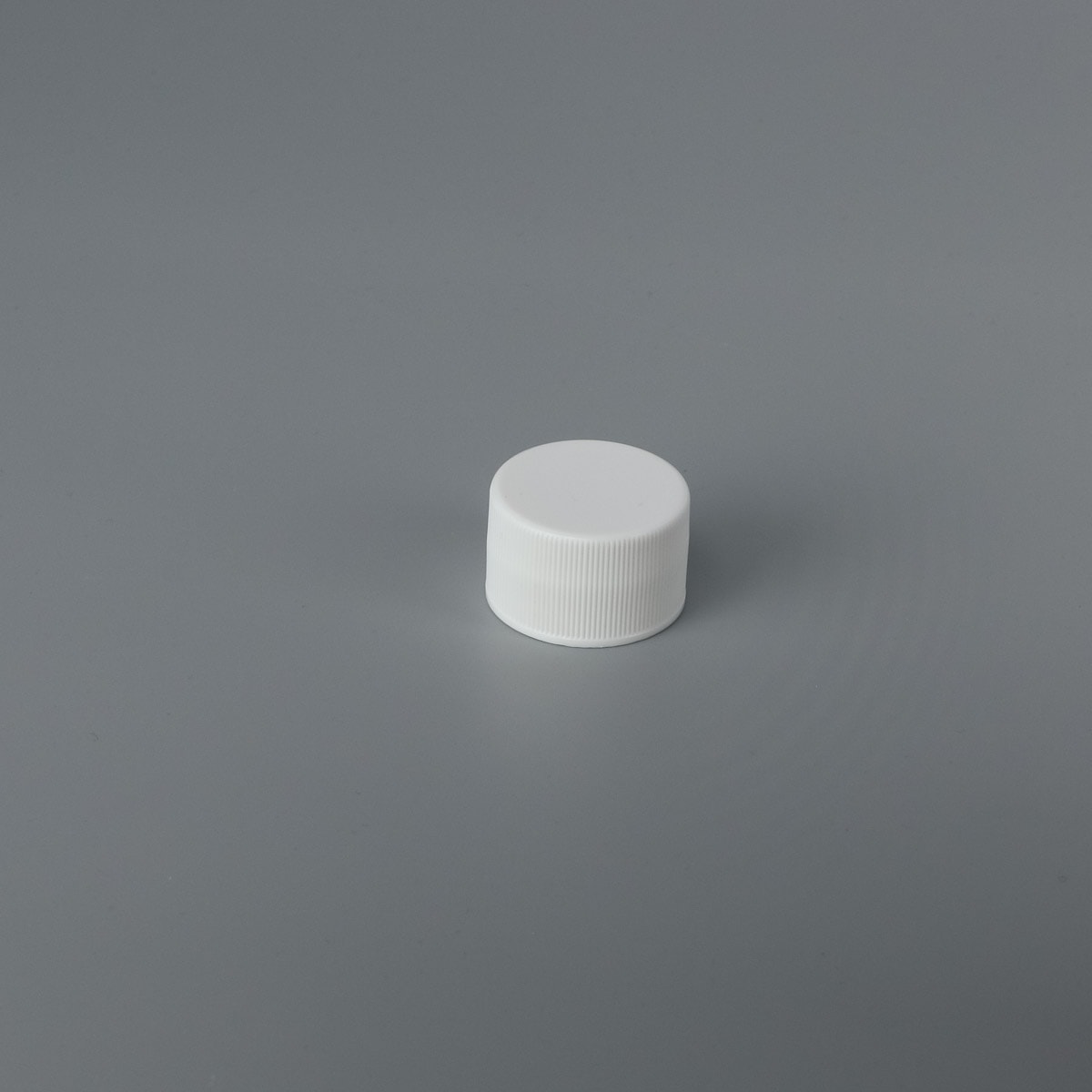
28 mm, .410 Finish
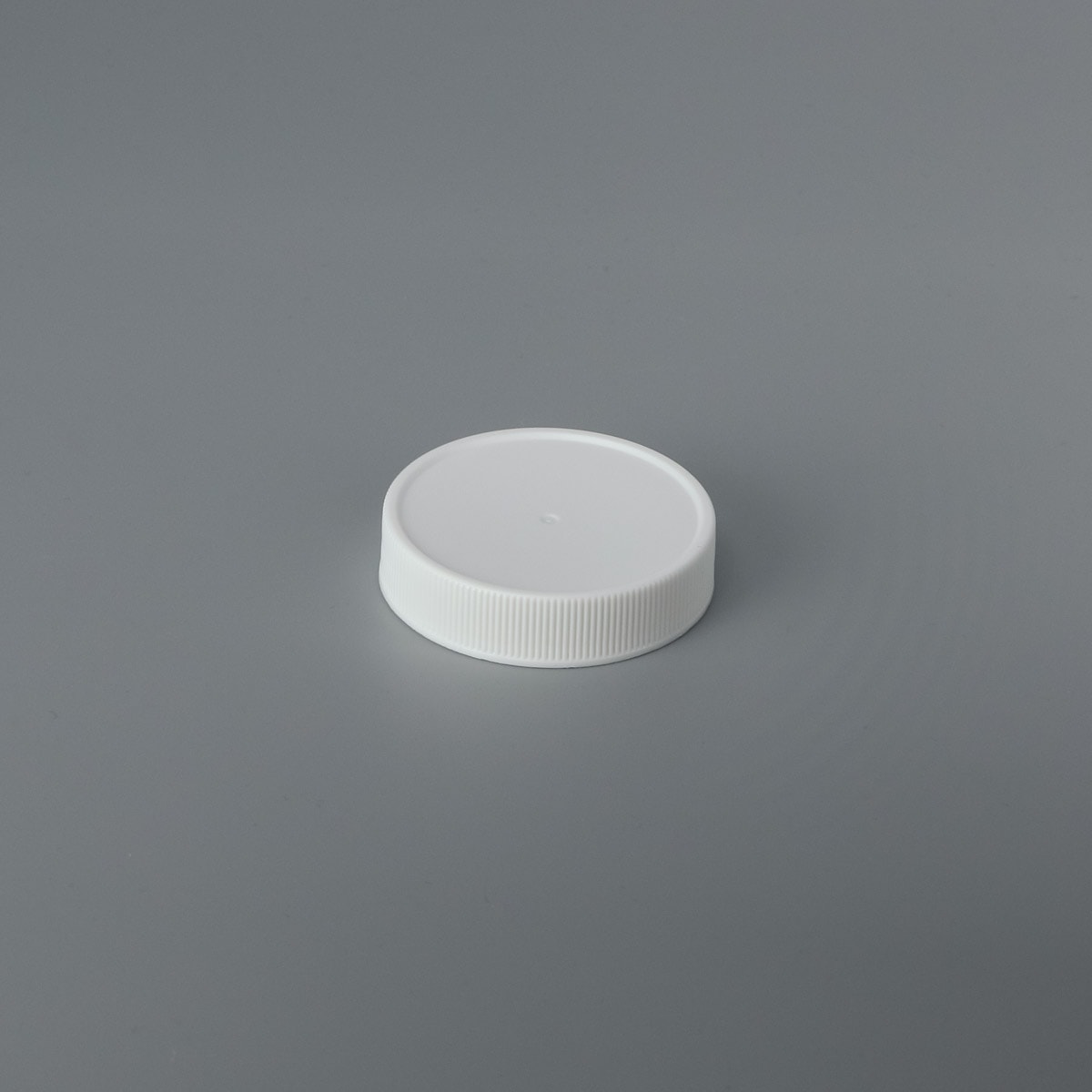
48 mm, .400 Finish
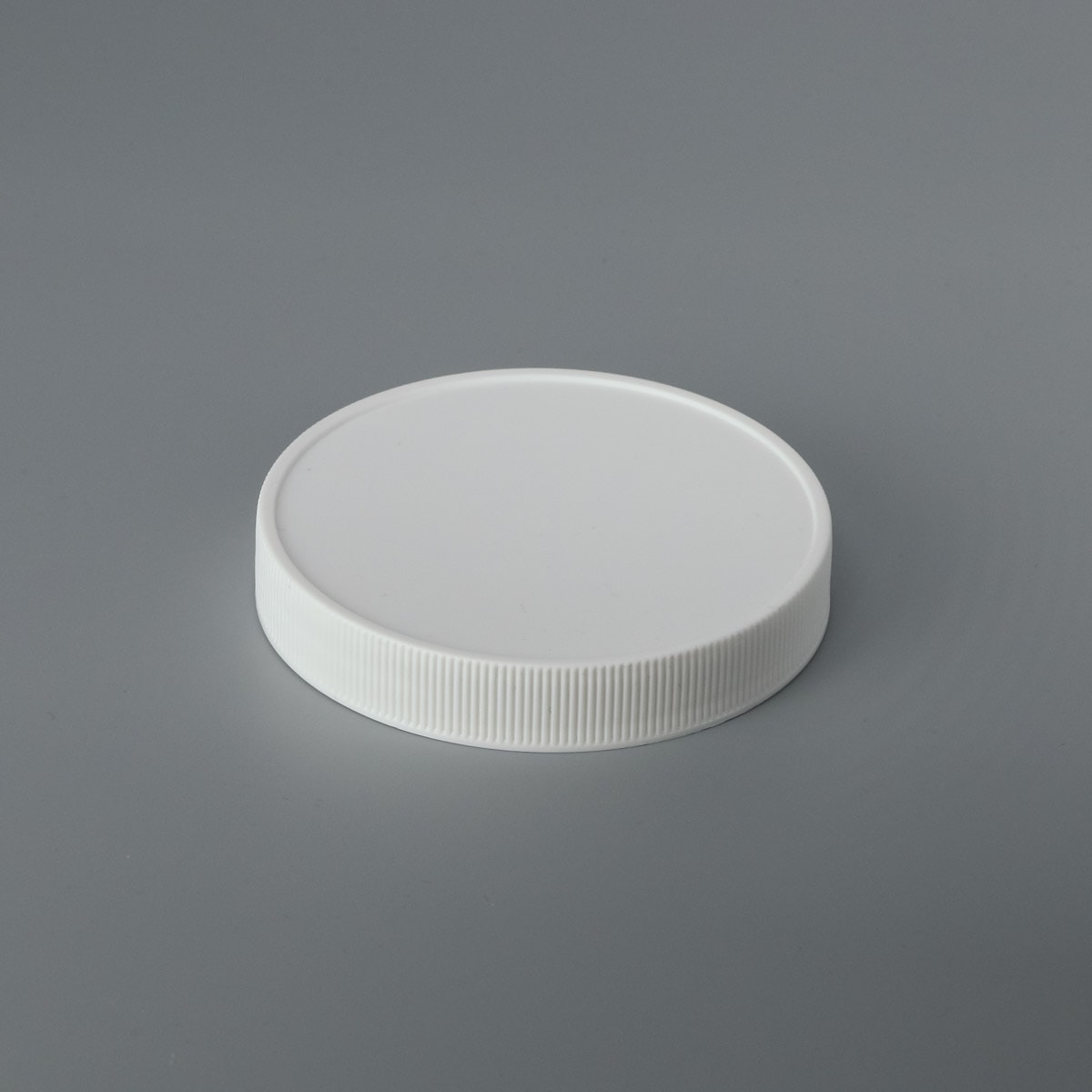
83 mm, .400 Finish
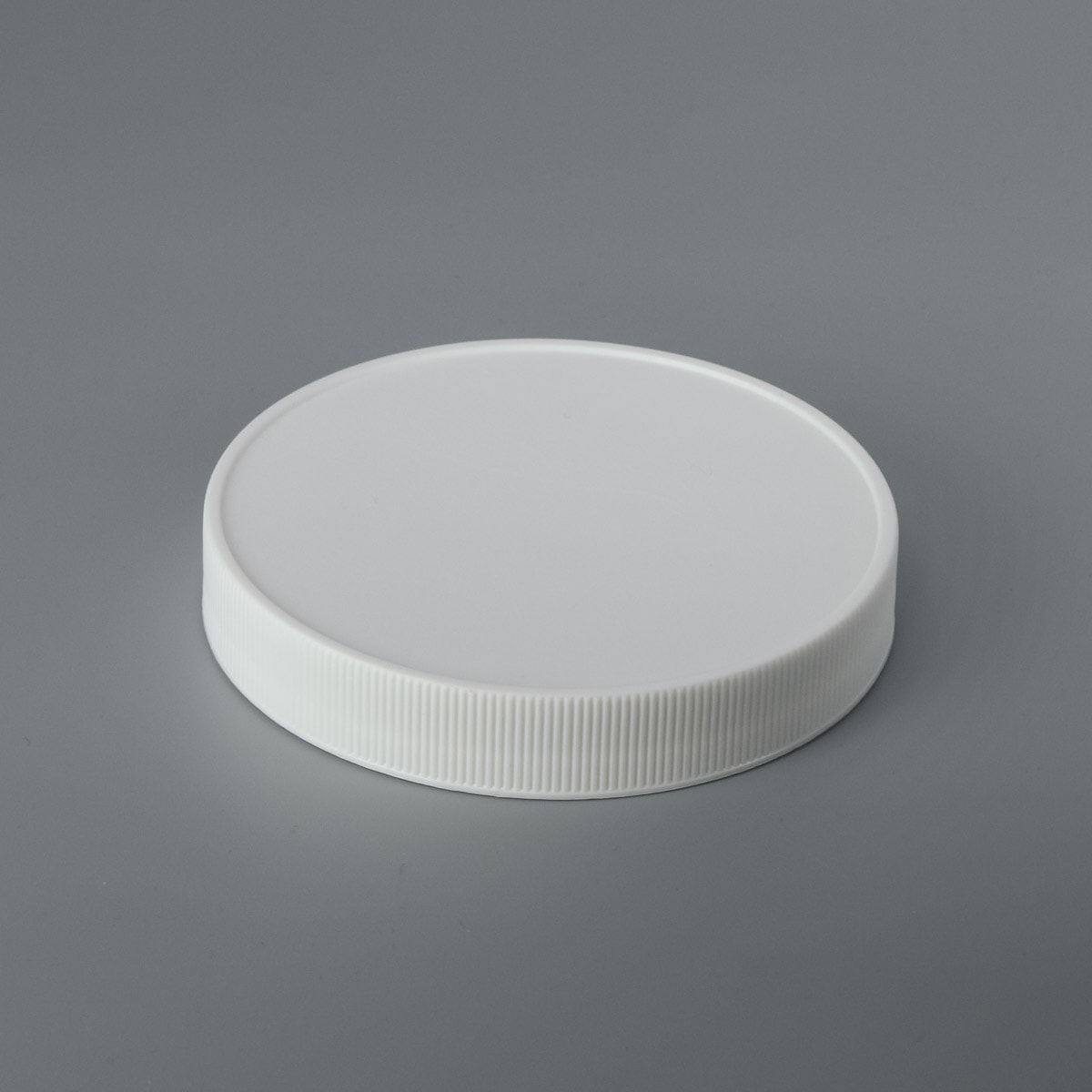
100 mm, .400 Finish
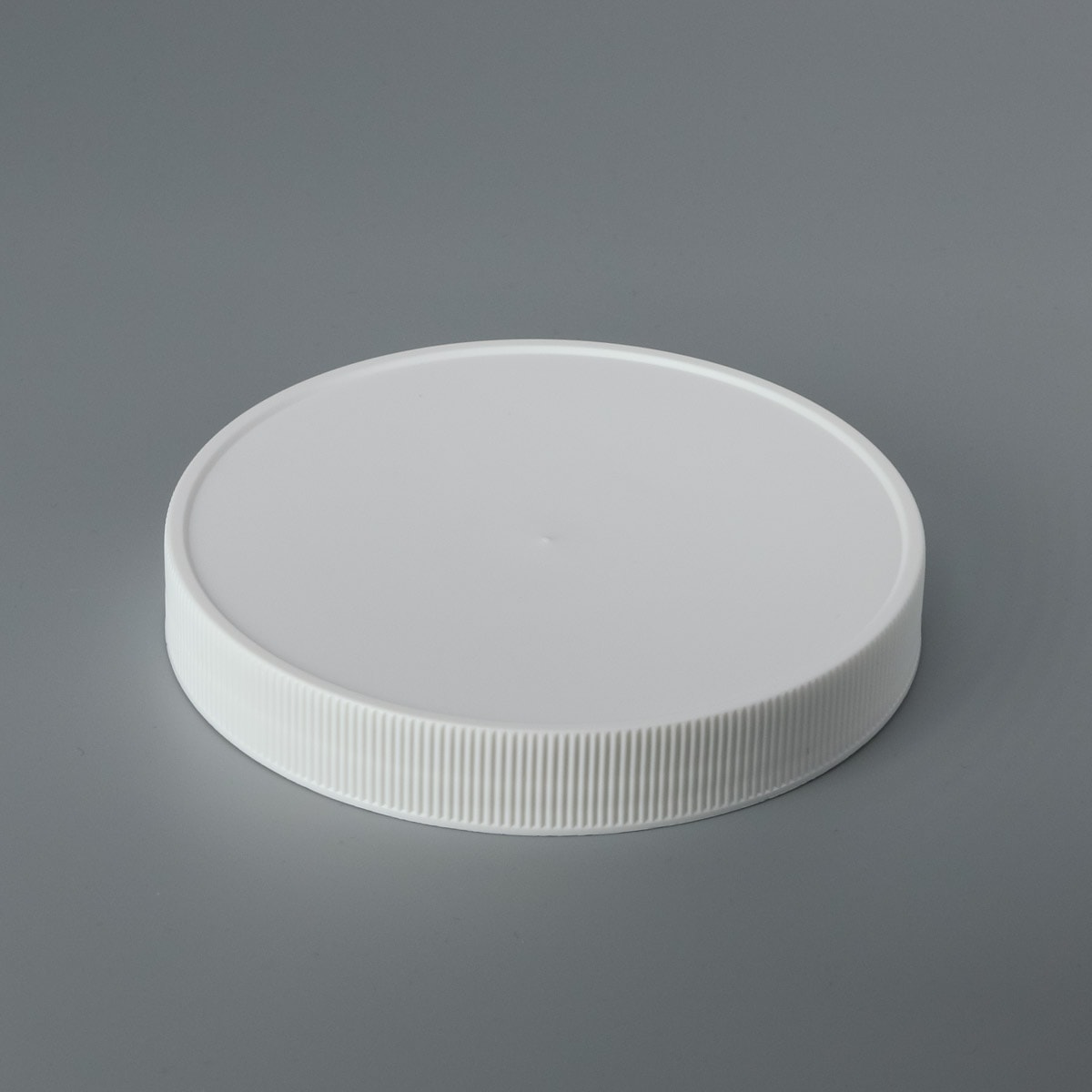
110 mm, .400 Finish
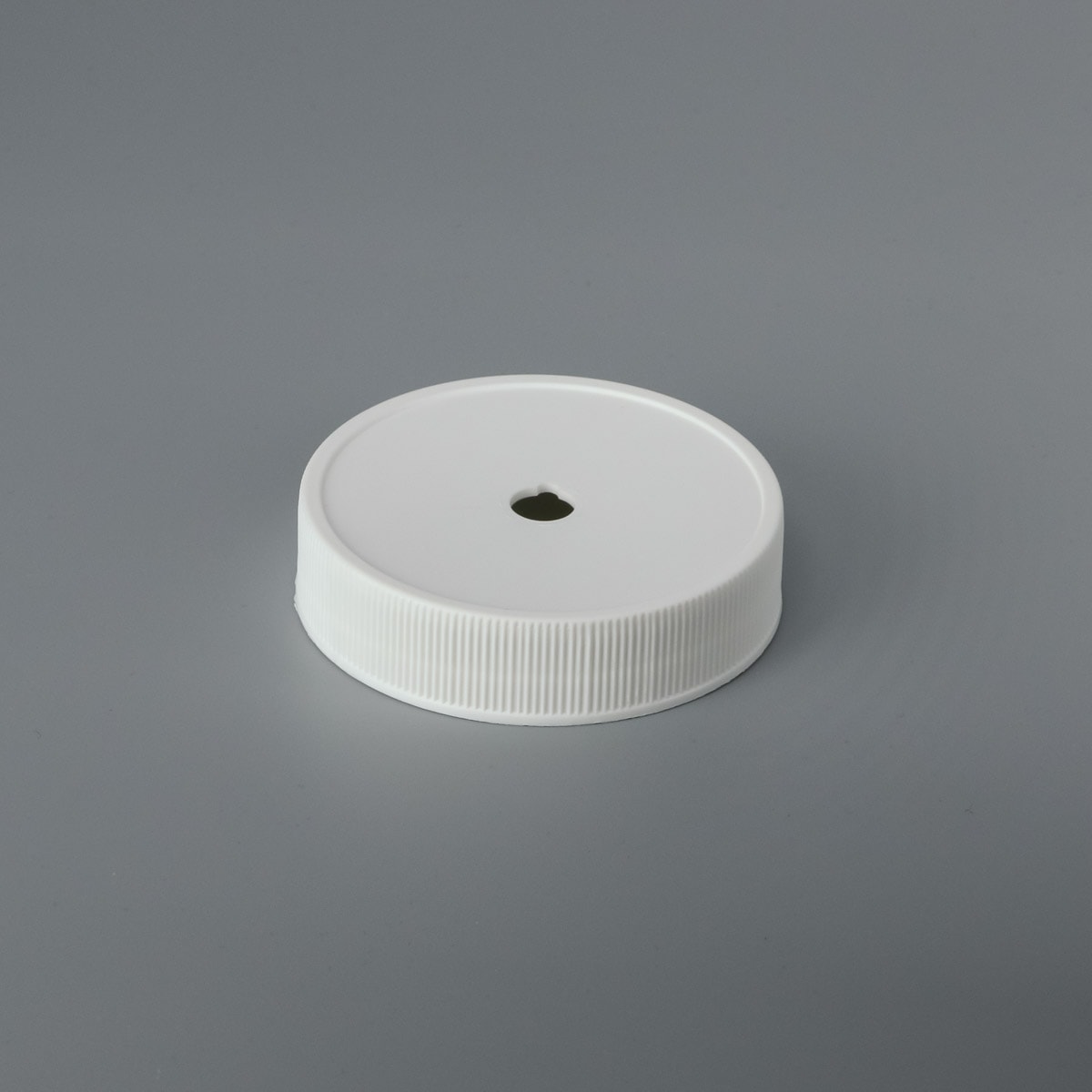
70 mm, .450 Finish
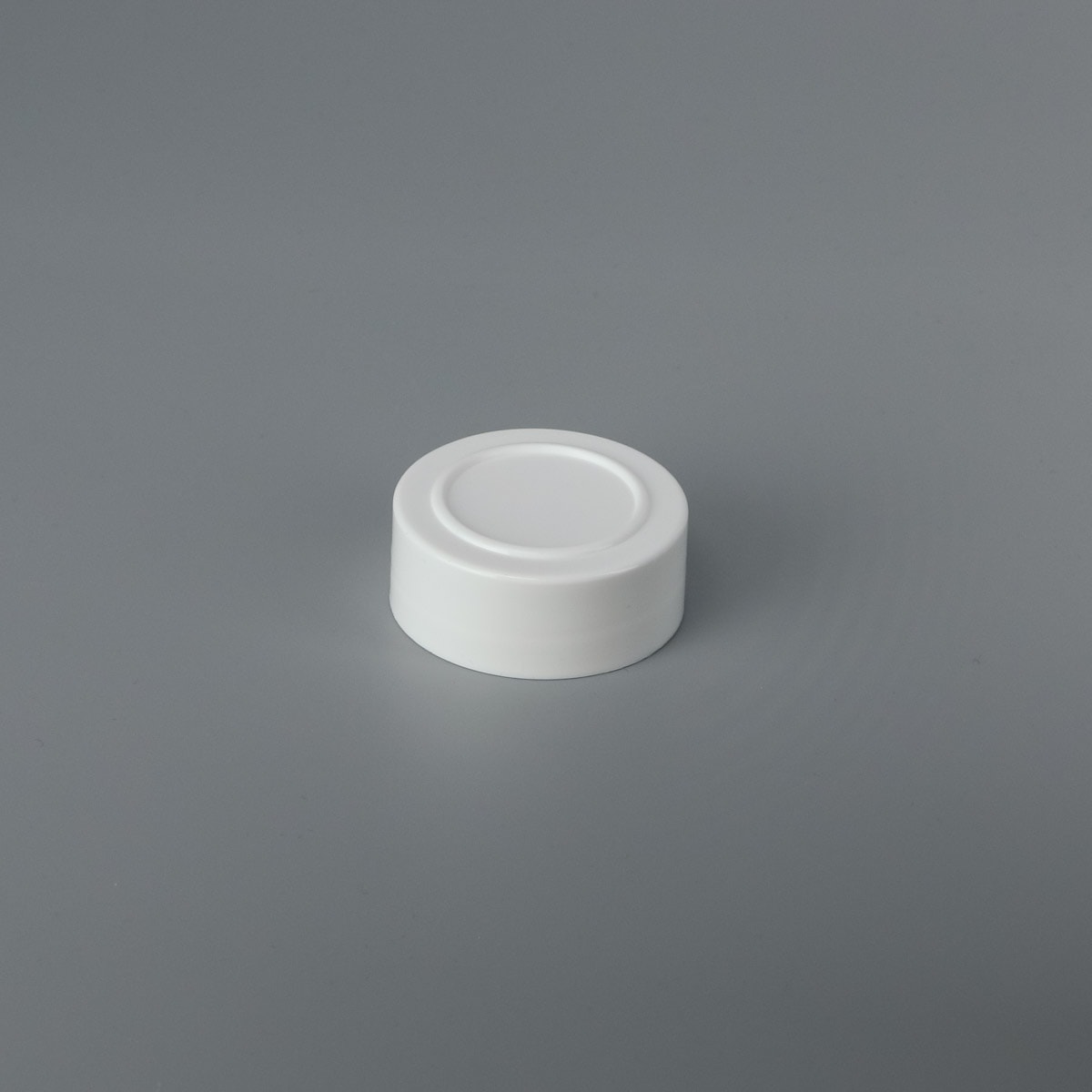
43 mm, .485 Finish
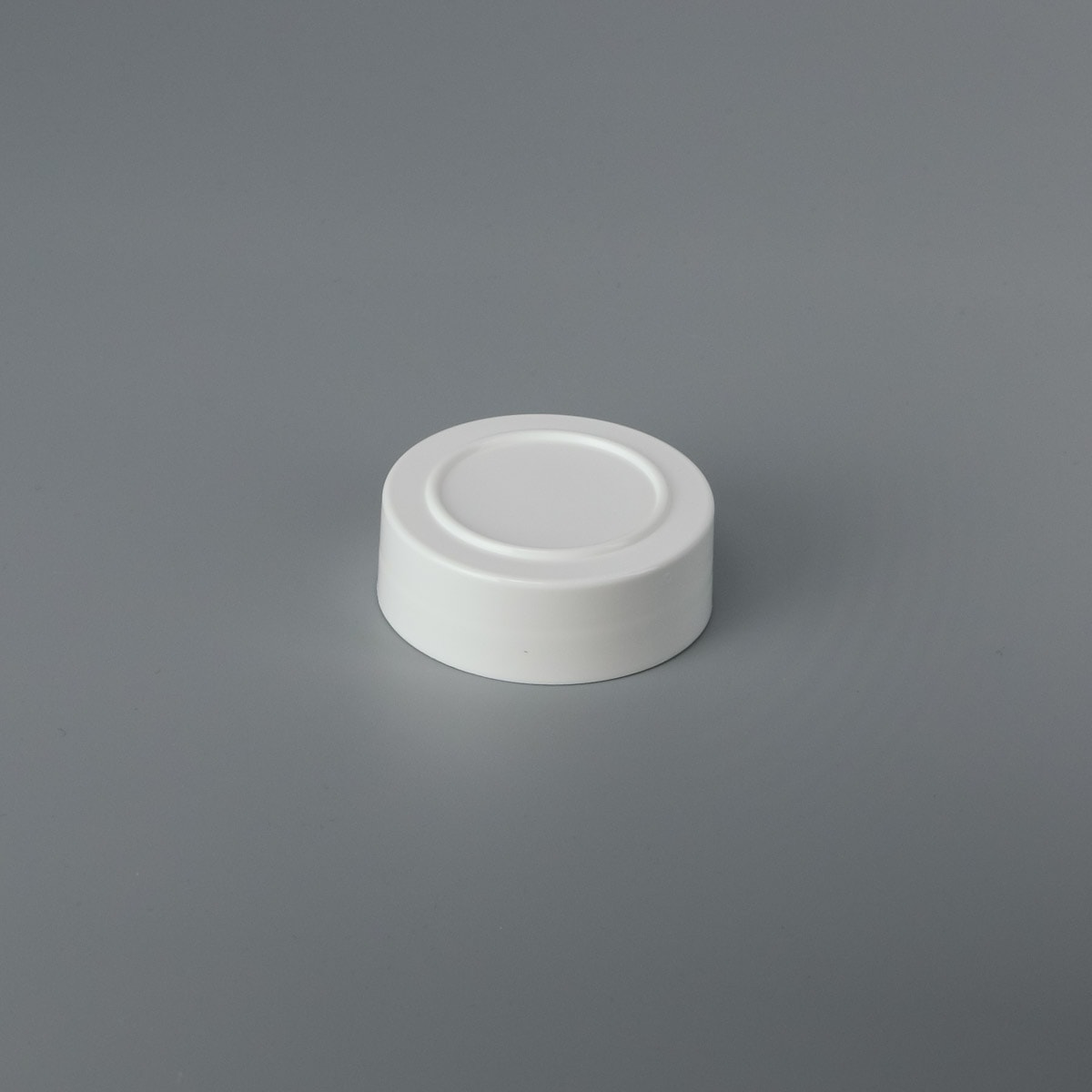
48 mm, .485 Finish
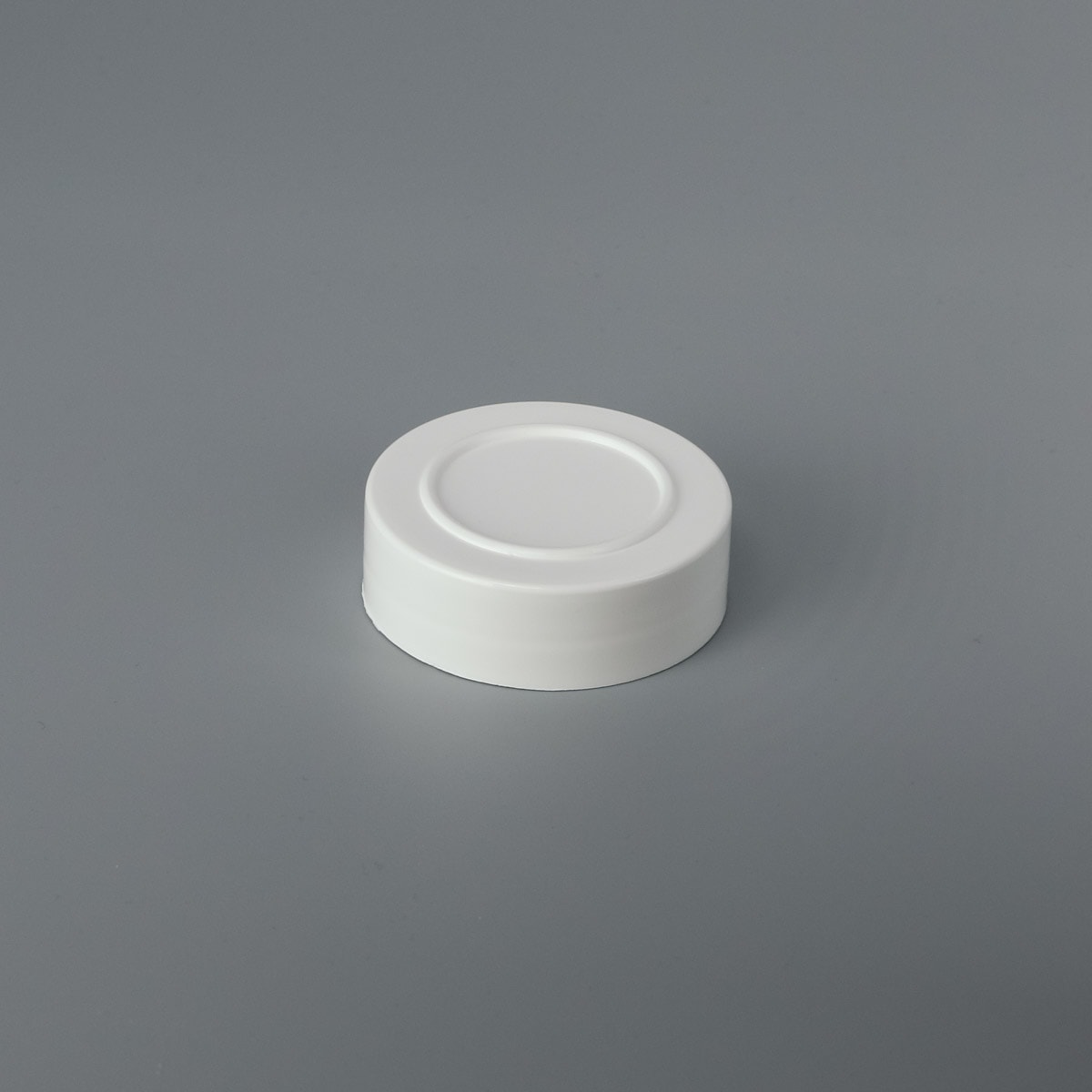
53 mm, .485 Finish
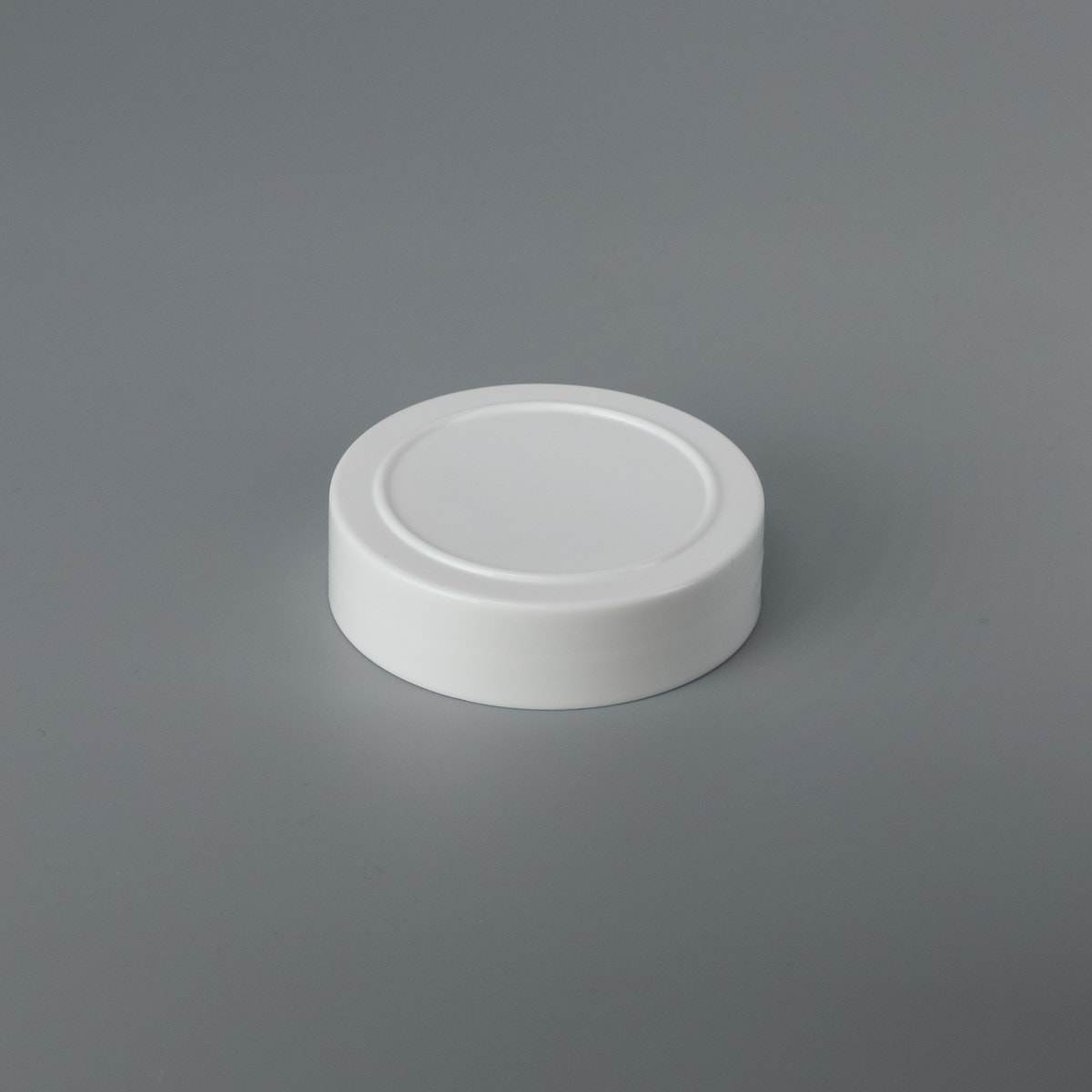
63 mm, .485 Finish
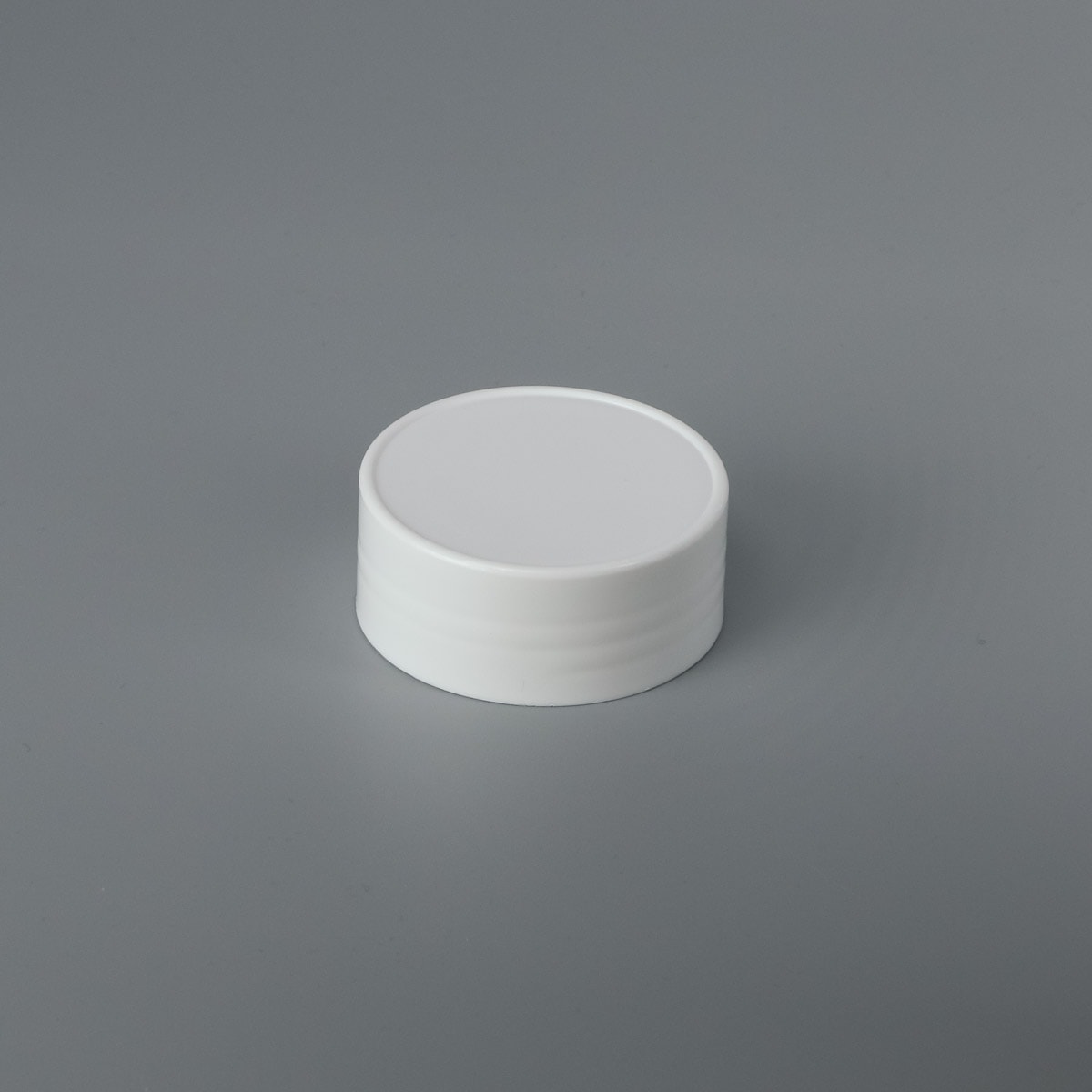
53 mm, .490 Finish
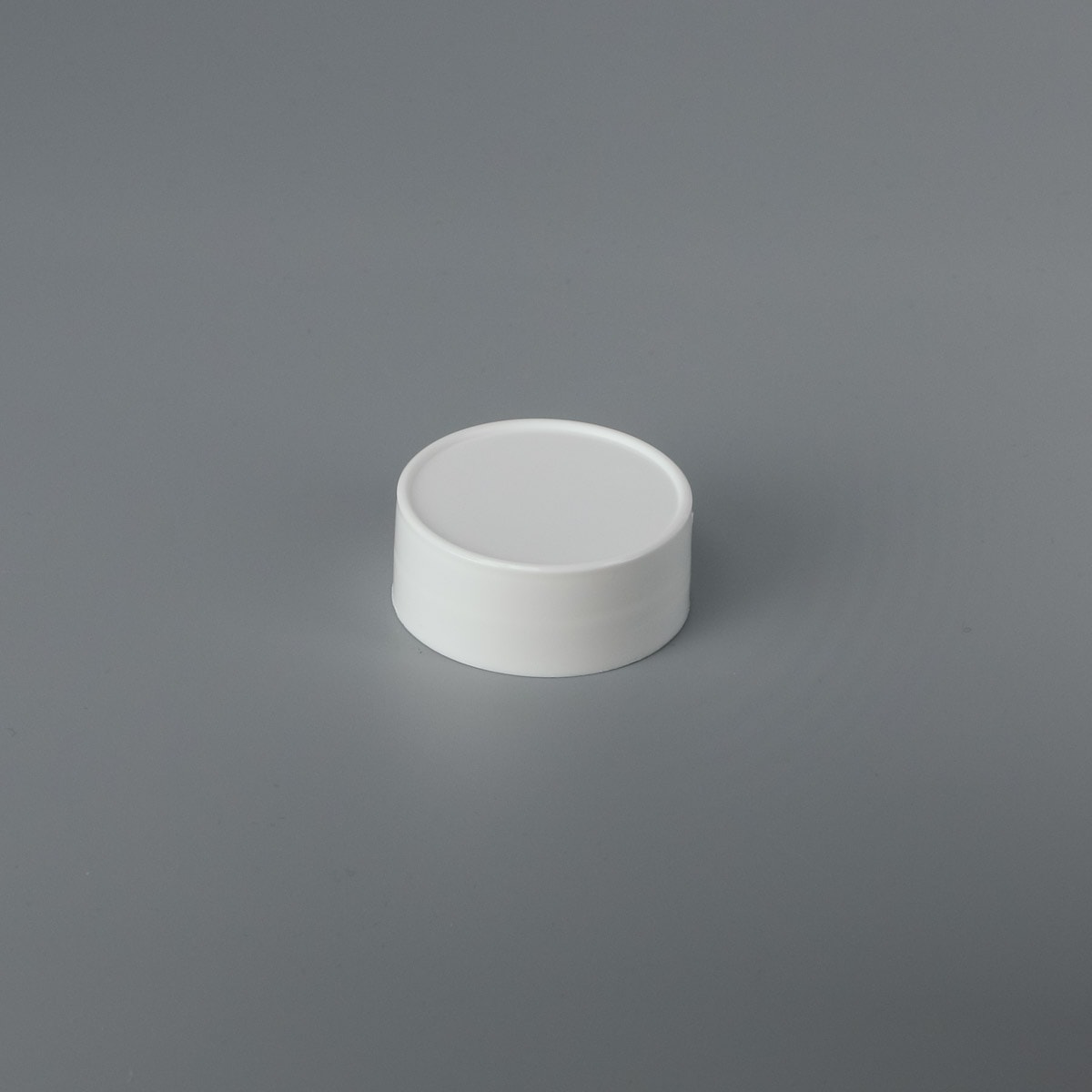
43 mm, .485 Finish
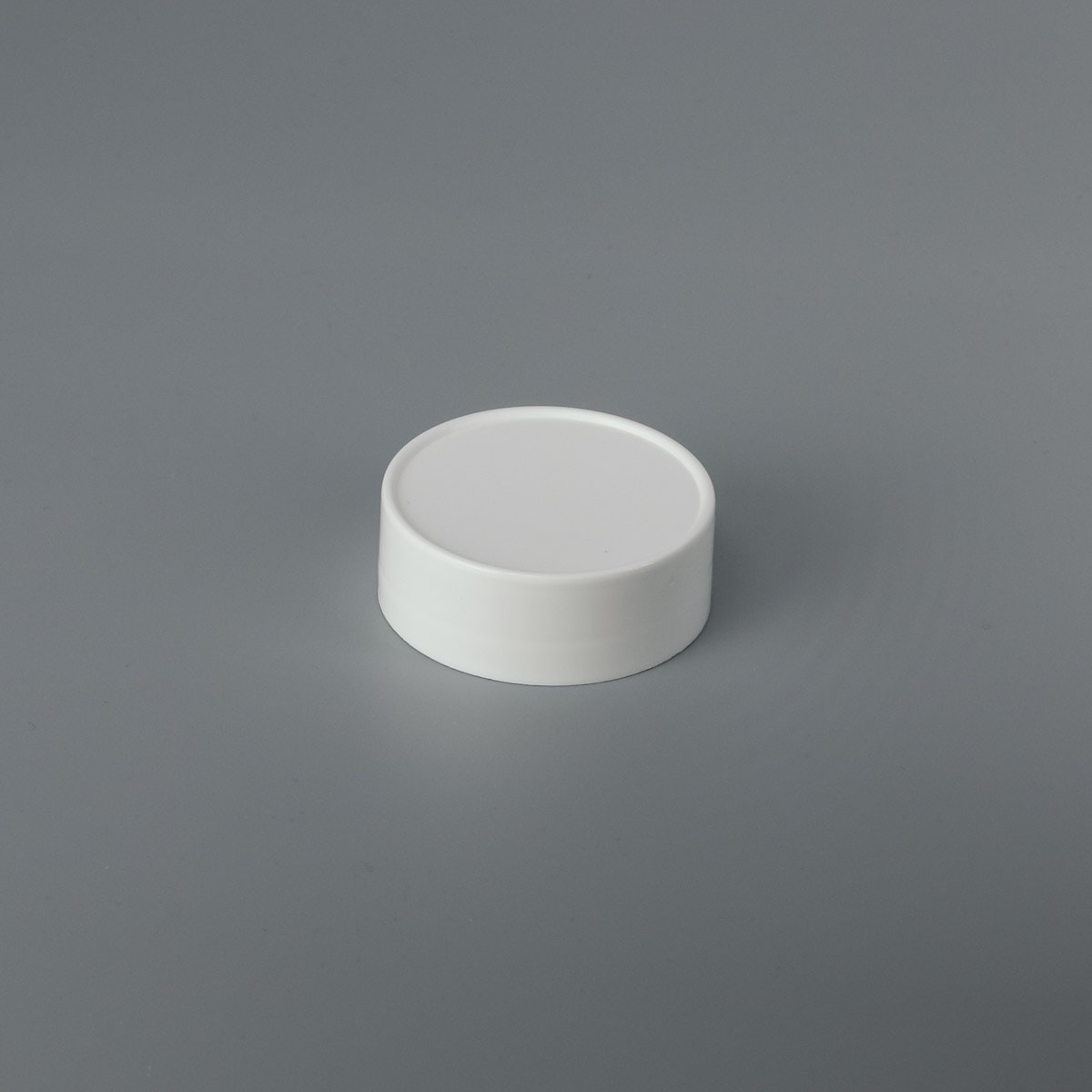
48 mm, .485 Finish
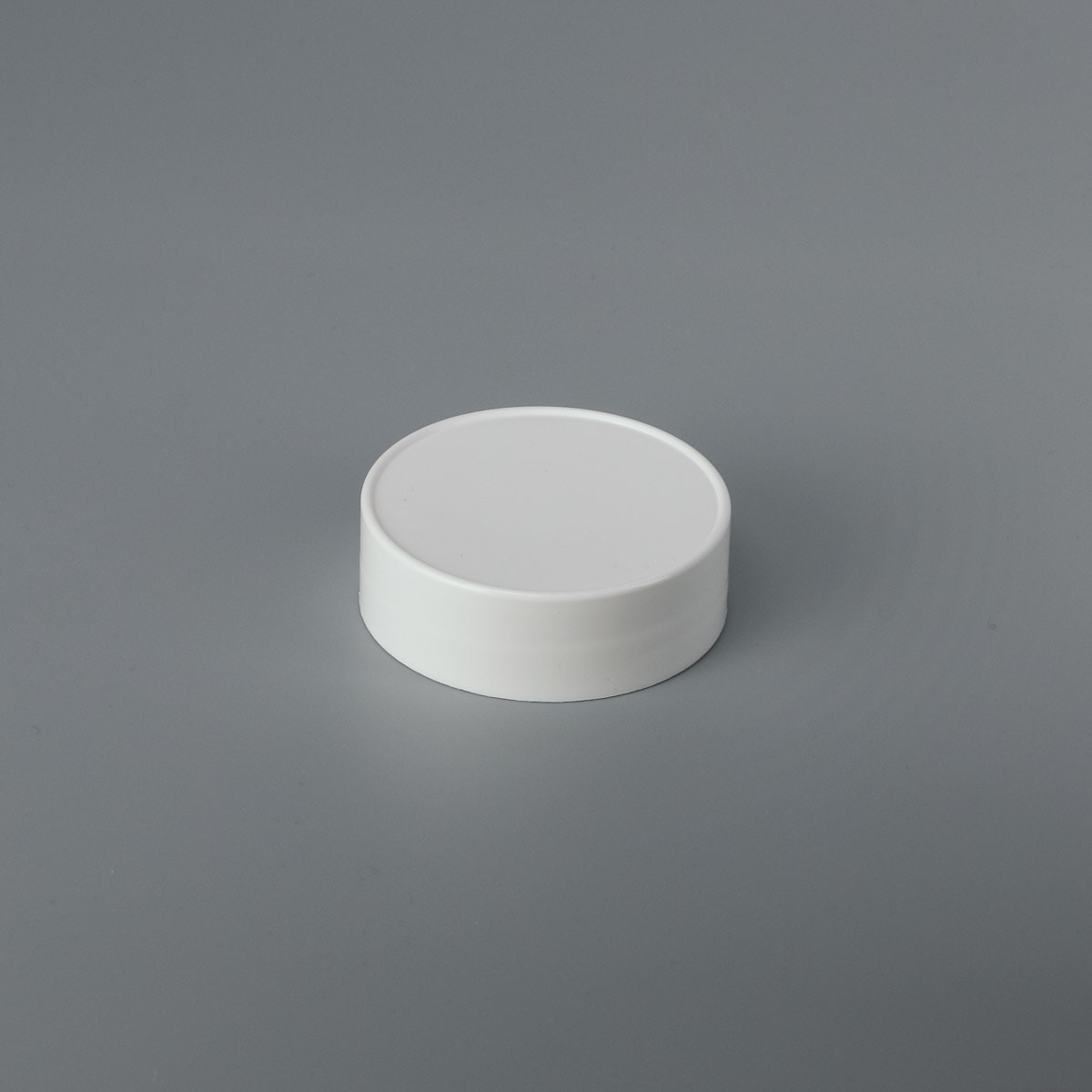
53 mm, .485 Finish
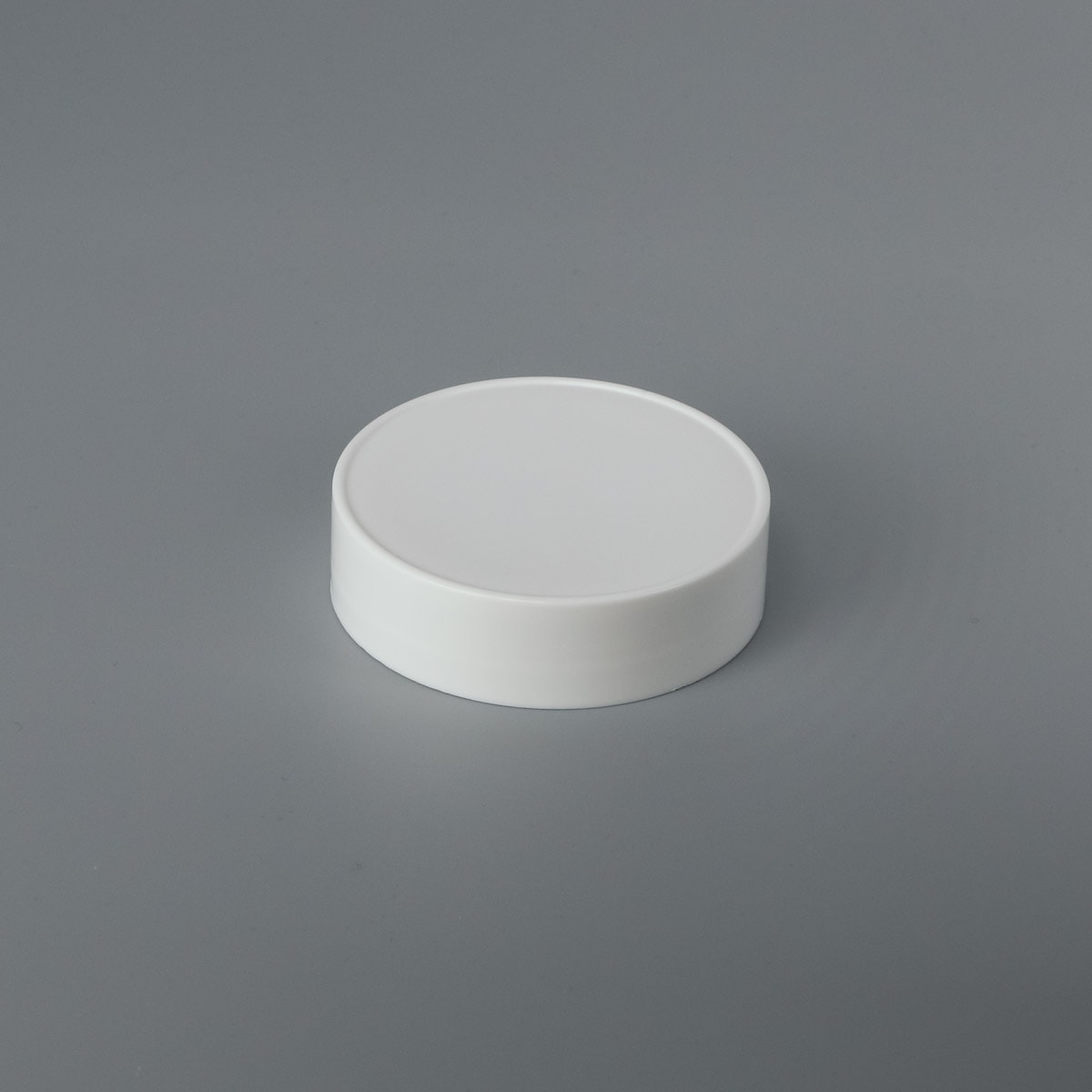
63 mm, .485 Finish
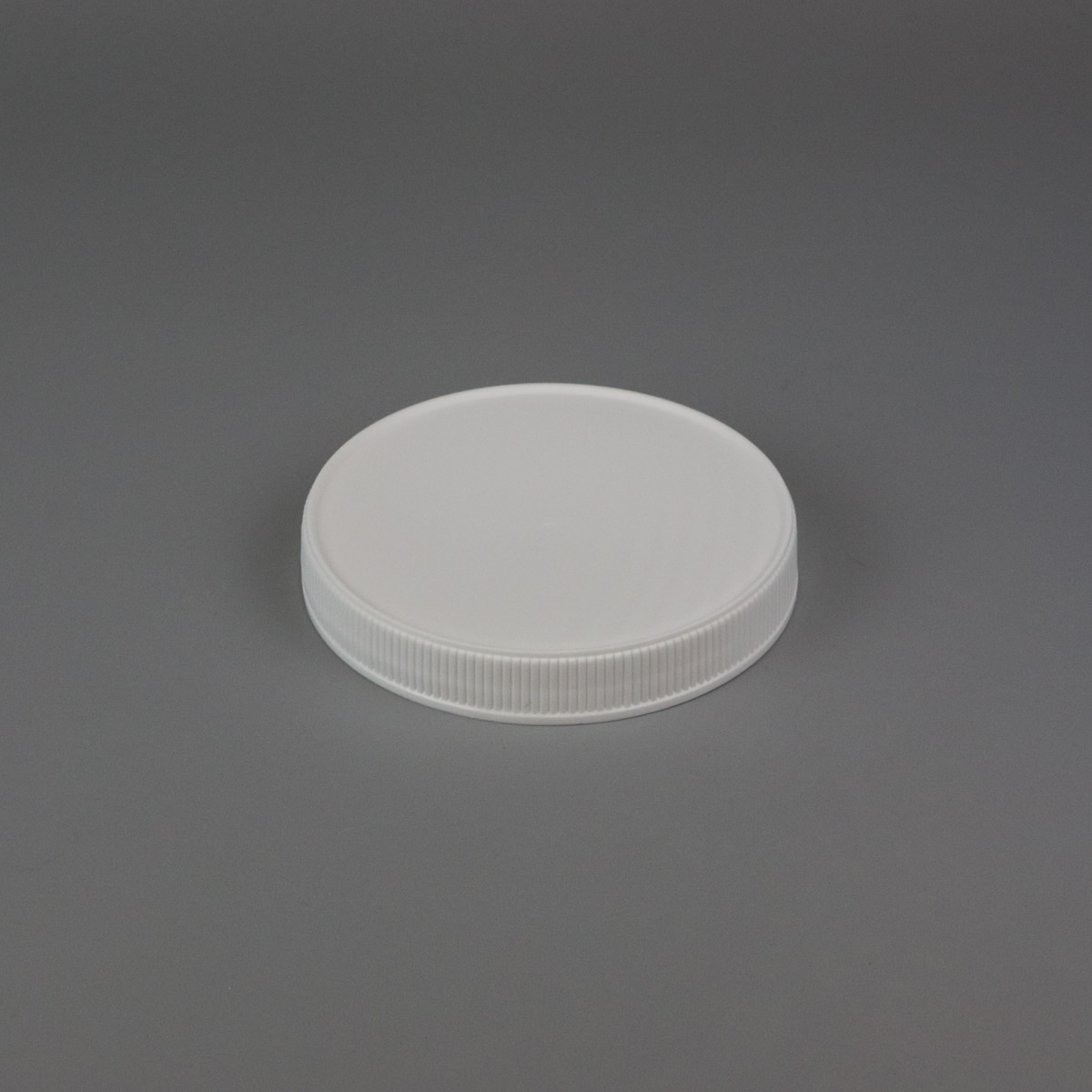
89 mm, .400 Finish
Frequently asked questions for food packaging closures:
What types of caps are used for food packaging?
Food packaging uses several types of caps, depending on the product format, dispensing needs, and consumer experience. The most common food packaging cap is a continuous thread (CT) closure, which twists onto a container to create a secure seal. It is popular because it is easy to open and close for repeated use. Other common food packaging caps include dispensing closures for pourable products like syrups, sauces, dressings and honey, as well as flip-top lids, single-flap lids and dual-flap sift-and-pour lids for spices, seasonings, grated cheese and dry foods. Dual-flap lids are especially useful because they allow consumers to either shake out small amounts or measure/pour larger quantities from the same package. For food brands, the best cap choice depends on the product’s viscosity, freshness requirements, safety needs, and how consumers use it at home. MRP Solutions manufactures high-quality injection molded plastic closures, jars and packaging components designed to support product protection, dispensing performance and consumer confidence.
What does food-grade plastic mean for caps and closures?
Food-grade plastic for caps and closures means the material is suitable for contact with food and is designed not to contaminate, react with or negatively affect the packaged product when used as intended. For food packaging closures, this matters because the cap or lid helps protect freshness, prevent leakage, and support consumer safety from production through everyday use. In practical terms, food-grade plastic caps are made from materials that meet applicable food-contact standards and are selected for the product’s needs, such as durability, chemical resistance, dispensing performance, and compatibility with the container. Common plastics used in food packaging closures include polypropylene, or PP, and polyethylene terephthalate, or PET, both widely used because they are stable, durable, and appropriate for many food applications. For branded products, food-grade closures are especially important for spices, seasonings, sauces, dressings, syrups, honey, creamers, grated cheese and dry foods, where the closure directly affects freshness, usability and consumer confidence. MRP Solutions supports these needs with high-quality injection molded plastic closures and packaging components, with manufacturing standards that include ISO 9001:2015-certified facilities and adherence to global food safety and GMP guidelines.
How do closures help prevent food contamination?
Closures help prevent food contamination by creating a secure barrier between the packaged product and outside elements such as moisture, air, dirt, debris, and handling exposure. A properly designed cap or lid supports product integrity throughout filling, shipping, storage and consumer use. For food packaging, closures can help protect products in several ways: continuous thread (CT) caps seal containers with a twisting motion, dispensing closures help control product flow while reducing unnecessary exposure and tamper-evident closures or seals provide visible evidence if a package has been opened or compromised. These features are especially important for frequently used products like spices, seasonings, sauces, dressings, syrups, and dry foods. The right closure also supports cleaner, more convenient use after opening. Flip-top, shaker, and sift-and-pour spice lids, for example, allow consumers to dispense food without removing the entire cap, helping limit exposure to contaminants during everyday use. MRP Solutions manufactures high-quality injection molded plastic closures designed for product protection and consumer confidence, with ISO 9001:2015-certified manufacturing facilities that follow global food safety and GMP guidelines.
What trends are shaping the food packaging caps and closures market?
Trends shaping the food packaging caps and closures market include sustainability, convenience, safety and smarter design. As brands compete for attention while managing cost and consumer trust, caps and closures are becoming a more strategic part of the total package.
Sustainable packaging is a major driver, with growing demand for recyclable materials and post-consumer recycled (PCR) content; 62% of consumers say sustainability is more important now than two years ago.
Convenient dispensing is equally critical. Continuous thread caps, flip-top lids, shaker closures and dual-flap sift-and-pour lids improve functionality for sauces, spices, syrups and dry foods while keeping products fresh.
Food safety requirements are also shaping design, with brands prioritizing tamper evidence, secure sealing and controlled dispensing throughout shipping, storage and use.
Looking ahead, expect more demand for custom colors, transparent labeling, and user-friendly designs that help brands stand out while making packaging safer and easier to use. MRP Solutions supports these needs with ISO 9001:2015-certified manufacturing facilities that follow global food safety and GMP guidelines.
Frequently asked questions for Spice packaging closures:
What are the different types of spice jar lids?
Different types of spice jar lids include flip-top lids, single-flap lids, dual-flap or sift-and-pour lids, shaker lids, pour lids, and grinder lids. Each lid style supports a different dispensing experience based on the spice format and how consumers use it. Flip-top lids are among the most common spice jar lids and feature a hinged section that opens for easy dispensing. Single-flap lids typically reveal either a shaker opening or a pour opening, while dual-flap lids, also called sift-and-pour lids, offer two dispensing options: small holes for shaking and a larger opening for pouring or spooning. For finely ground spices like cinnamon, paprika or garlic powder, shaker lids help control the amount dispensed. The best spice jar lid depends on the product. Fine powders usually need controlled dispensing; coarse herbs benefit from sift-and-pour functionality, and whole spices often perform best with a grinder lid. For food brands, the right closure does more than seal the jar; it improves convenience, freshness and the overall consumer experience. MRP Solutions supports food packaging companies with a broad portfolio of closure sizes, styles, colors and liners for tailored packaging solutions.
There are several common types of spice jar lids:
Flip-Top Lids are the most widely used and versatile lids. They feature a hinged or flip-up section that reveals an opening for dispensing the spice. They can be found in a few different configurations:
Single-Flap Lids open to reveal either a pour or a shaker opening. Single-flap lids are a type of flap-top lid.
Dual-Flap, also known as Sift-and-Pour, are immensely popular designs with two hinged flaps. One flap opens to a set of small holes for shaking or sifting, while the other opens to a larger, single hole for pouring or scooping with a spoon. Dual-flap lids are highly practical for a wide range of spices.
The best type of lid often depends on the specific spice. For example, a dual-flap lid is a great all-purpose choice. A grinder lid is essential for whole spices to maximize freshness. MRP Solutions supplies a broad range of closure types with customizable features for branding and usage purposes.
How do you choose the right lid for a particular spice?
Choosing the right lid for a particular spice is a decision that depends on several factors, primarily on the form of the spice and how you intend to use it. Here is a breakdown of how to make the right choice:
Whole Spices (e.g., peppercorns, whole allspice, cumin seeds, coarse salt): Best Choice: A grinder lid is the best lid for whole spices. Grinding whole spices just before using releases their volatile oils, providing a much more intense and fresher flavor than pre-ground spices.
Coarse Spices, Dried Herbs, or Blends (e.g., basil flakes, oregano, rosemary, Italian seasoning, flaky salt): Best Choice: A dual-flap (sift-and-pour) lid is highly recommended for coarse spices. The pour side is perfect for spooning out larger quantities or for use in marinades and rubs, while the sifting side can be used for light dusting over dishes. A simple pour lid is also a great option if you do not need a shaker function.
Finely Ground Powders (e.g., paprika, garlic powder, cinnamon, cayenne pepper): Best Choice: A shaker lid or a dual-flap lid is ideal. The small holes on a shaker or sifting lid provide a controlled way to dispense a small amount of powder, preventing you from accidentally over-seasoning your food.
MRP Solutions supplies a broad range of closure options for spices with ISO 9001:2015-certified manufacturing facilities that follow global food safety and GMP guidelines.
Are plastic spice lids safe?
Plastic spice lids, like other plastic food packaging, are considered safe for their intended use when they are made from “food-grade” plastic and are used correctly. However, there are some crucial details to be aware of.
Food-Grade Certification:The most important factor is whether the plastic is certified as “food-grade” or “food-safe.” This means it has met the safety standards of regulatory bodies like the FDA in the United States. These plastics are specifically designed not to leach harmful chemicals into food or react with the food’s components.
Common Safe Plastics:Many spice lids are made from plastics like polypropylene (PP) and polyethylene terephthalate (PET). These are widely used for food packaging because they are durable, resistant to chemical reactions, and generally considered stable. You can often identify these plastics by their recycling codes (PP is #5; PET is #1).
BPA-Free: A major concern for consumers has been the chemical Bisphenol A (BPA), which was historically used in some plastics. Today, most plastic spice lids and food containers are labeled as “BPA-free.” While regulatory bodies have deemed low-level BPA exposure safe, many manufacturers have switched to alternatives to address public concern. MRP Solutions manufactures its caps and closures using FDA-compliant, food-grade materials that are Bisphenol A (BPA)-free.